

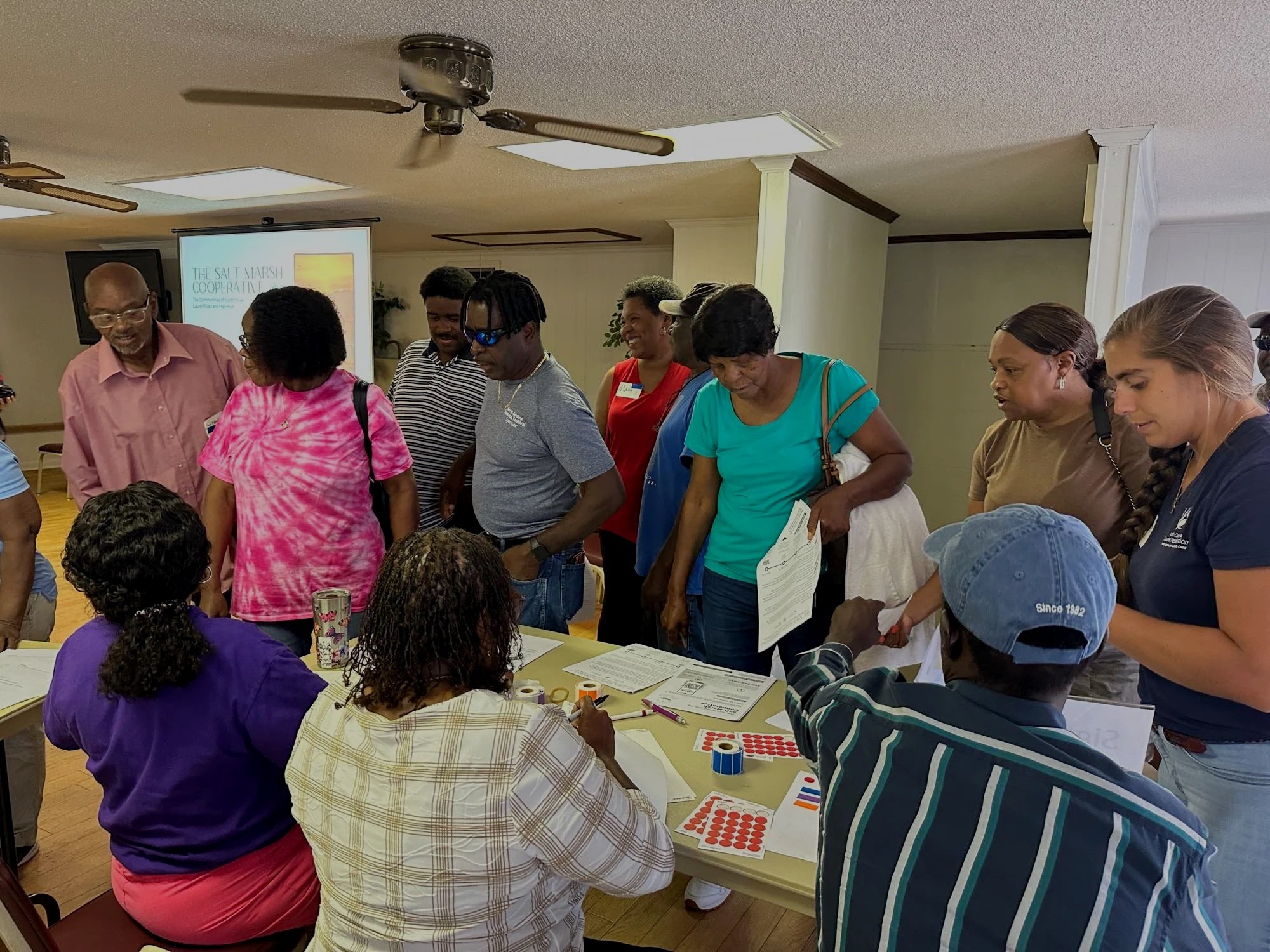
Community Challenges
Rural places across America are seeing overlapping challenges across economy, environment and society that are excaberating and reinforing one another
Rooted Communities
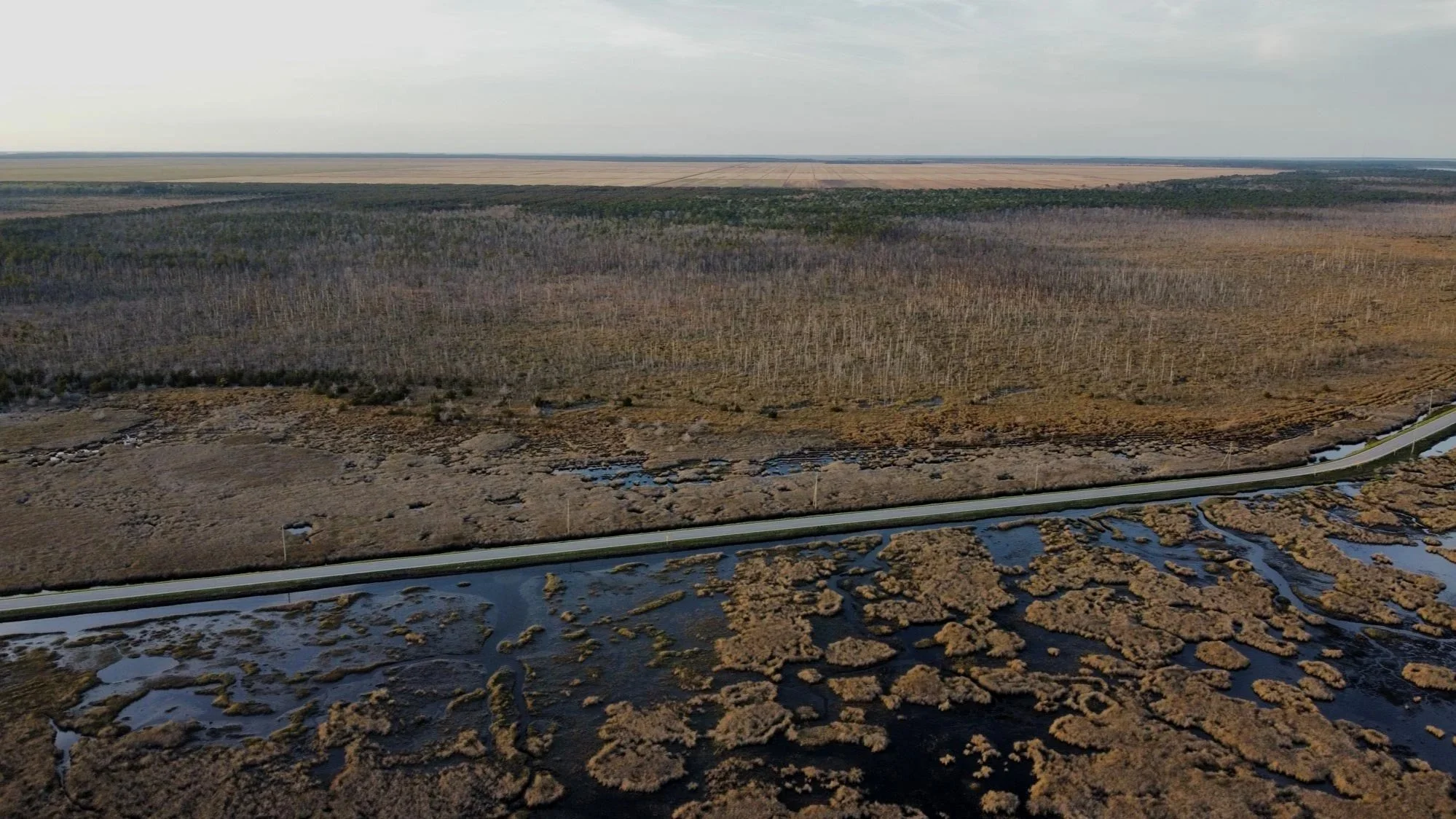
The communities we work with have been tied to land and sea for generations, living along the marshes of North Carolina’s coast.
But much has changed in recent years…




The environmental challenges
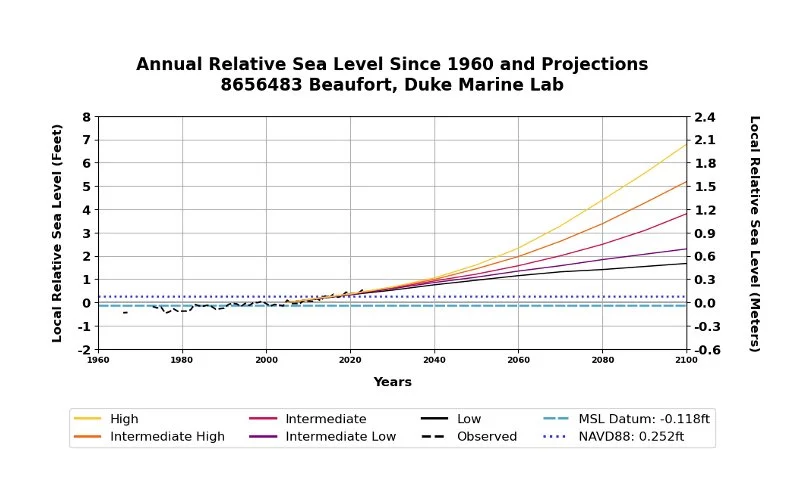
The figure shows the station's annual mean sea level since 1960 and five regionalized sea level rise scenarios plotted relative to a 1996-2014 baseline period, with the year 2005 as the 'zero' for the figure.
Source: tidesandcurrents.noaa.gov
Sea Level Rise is resulting in more flooding
Sea level rise has accelerated dramatically, in the last 15 years, rising between 5-7 inches on the North Carolina Coast
flooding is impacting finances, safety and health
This has resulted in more damaging flooding from major storms, heavy rainfall and high tide events, leading to loss of property, health issues from mold, dangerous or impossible driving conditions, and failing septic tanks over time.
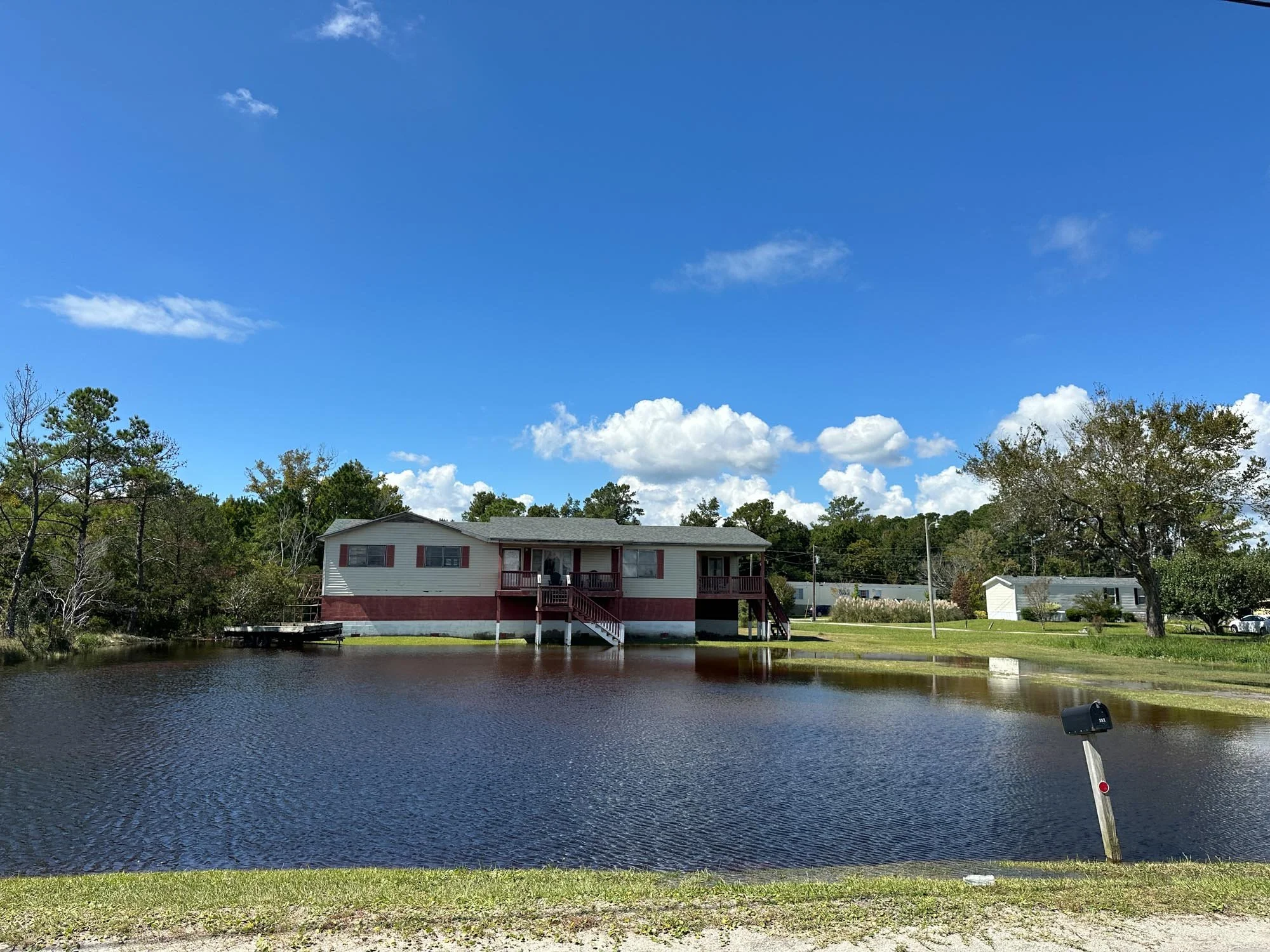
A home on Merrimon Road during a nuisance flood, or sunny day flood, event. Low-lying properties will become increasingly more challenging and expensive, but reducing emissions today is incredibly important for reducing sea level rise.
sea level rise is anticipated to increase significantly
Based on the current sea level rise trajectory, the sea is forecasted to rise an additional 1 to 2 ft in the next 25 years, and over 5 feet by the end of the century in this area.
Researchers anticipate this will result in up to 65 days of sunny day flooding by 2050, and make some major roads in Carteret county unpassable during unnamed storms and inundated at high tide.
The economic challenges
Melinda talks about the decline of agriculture in the community.
the decline of agricultural and fishery-based economies…
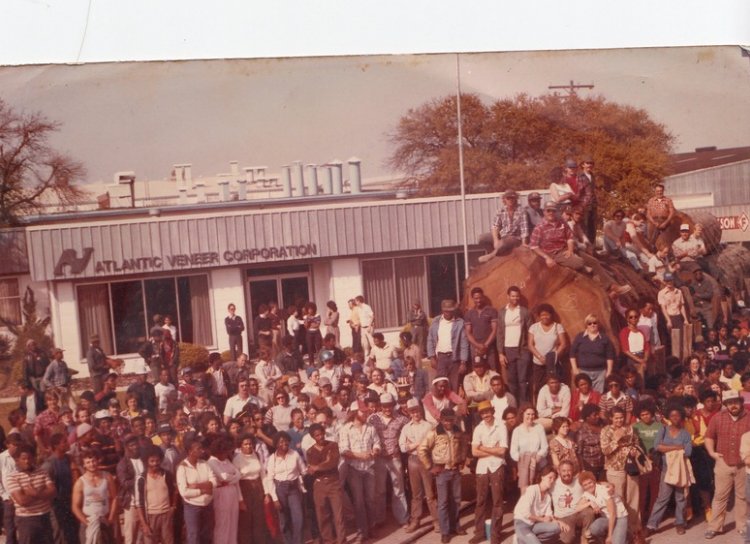
Economic changes in the 20th century have made rural places more vulnerable, as fewer people are able to make a living off of the land and sea.
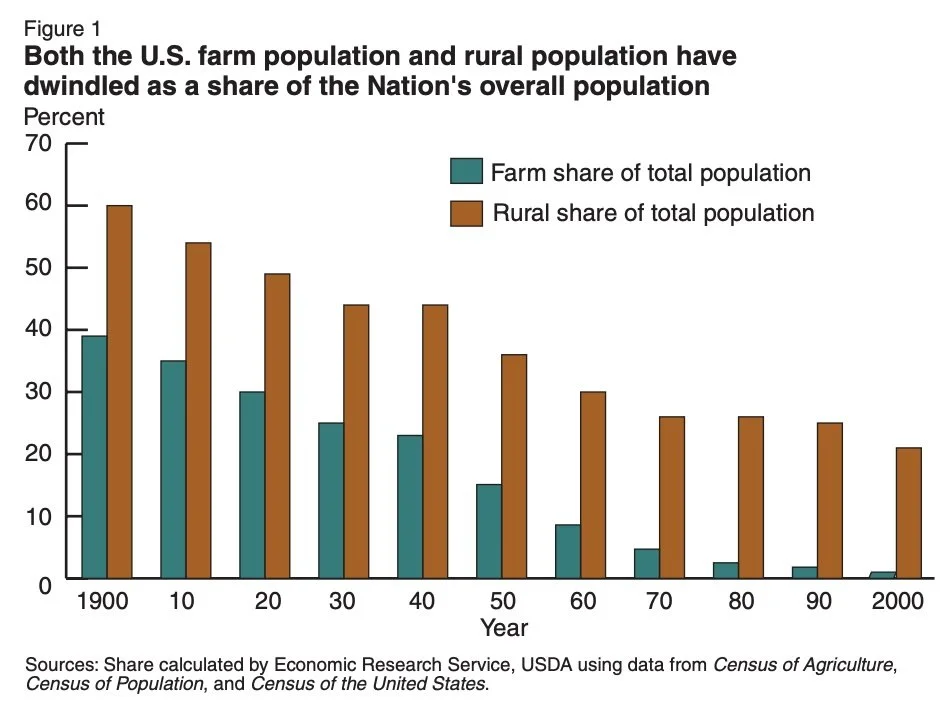
led to a decline in rural populations…
The population of rural areas has declined from over 50% of the U.S. population in the early 1900’s to less than 5% today, leading to a smaller tax base, business and jobs base, and young and middle-aged populations.
Justin stands in front of the old community center that burned down in the 2000’s.
which leaves remaining populations vulnerable
People remaining in rural communities are experiencing increasing challenges with food security, income opportunities and infrastructure. The majority of rural areas are senior on fixed-income who are under pressure with rising energy, food and insurance costs.
The social challenges
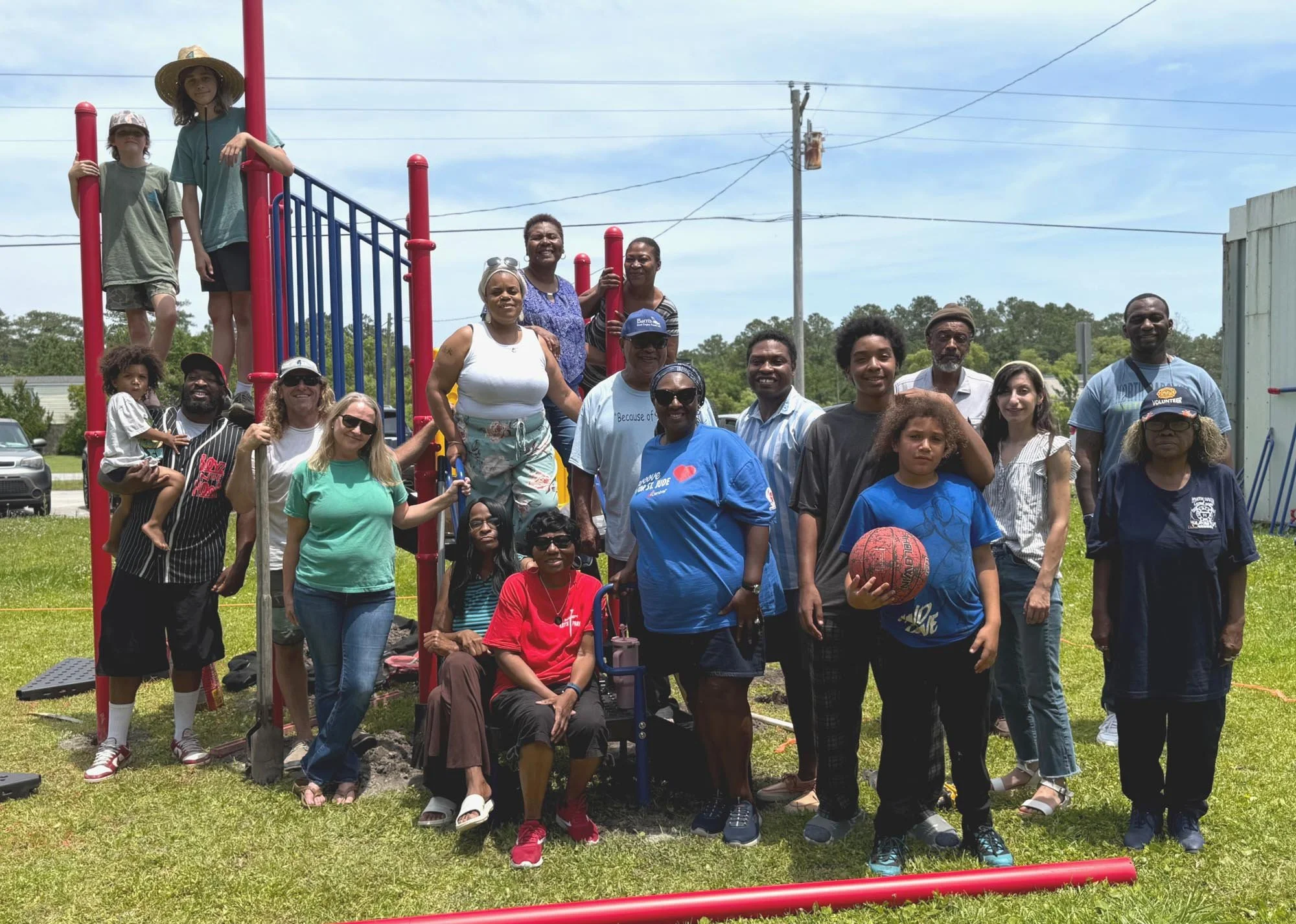
decline in opportunities leads to loss of social support
As younger populations have moved to find economic opportunities, families are disconnected and community spaces become hard to maintain.
Holistic solutions to increase economic and environmental resilience
-

Flood Resilience
-

Wastewater
-

Economic Development
-

Restoration and Conservation
Let’s connect
Building relationships is at the heart of what we do. Connect with us to explore how we can work together.